Breakthrough Research: How Cannabinoid-Terpenoid Synergy Is Transforming Neurological Treatment
Understanding Neurological Disorders and Treatment Challenges
The brain is one of the most complex organs in the human body, yet it remains vulnerable to a range of debilitating neurological conditions such as Alzheimer’s disease, Parkinson’s disease, multiple sclerosis, and traumatic brain injury. These neurological disorders not only impair quality of life but also place a significant burden on healthcare systems worldwide. Traditional treatments often focus on symptom management of neural damage, leaving an urgent need for therapies that target the root causes of neural damage and promote regeneration.
Introduction to Cannabis and Its Therapeutic Components
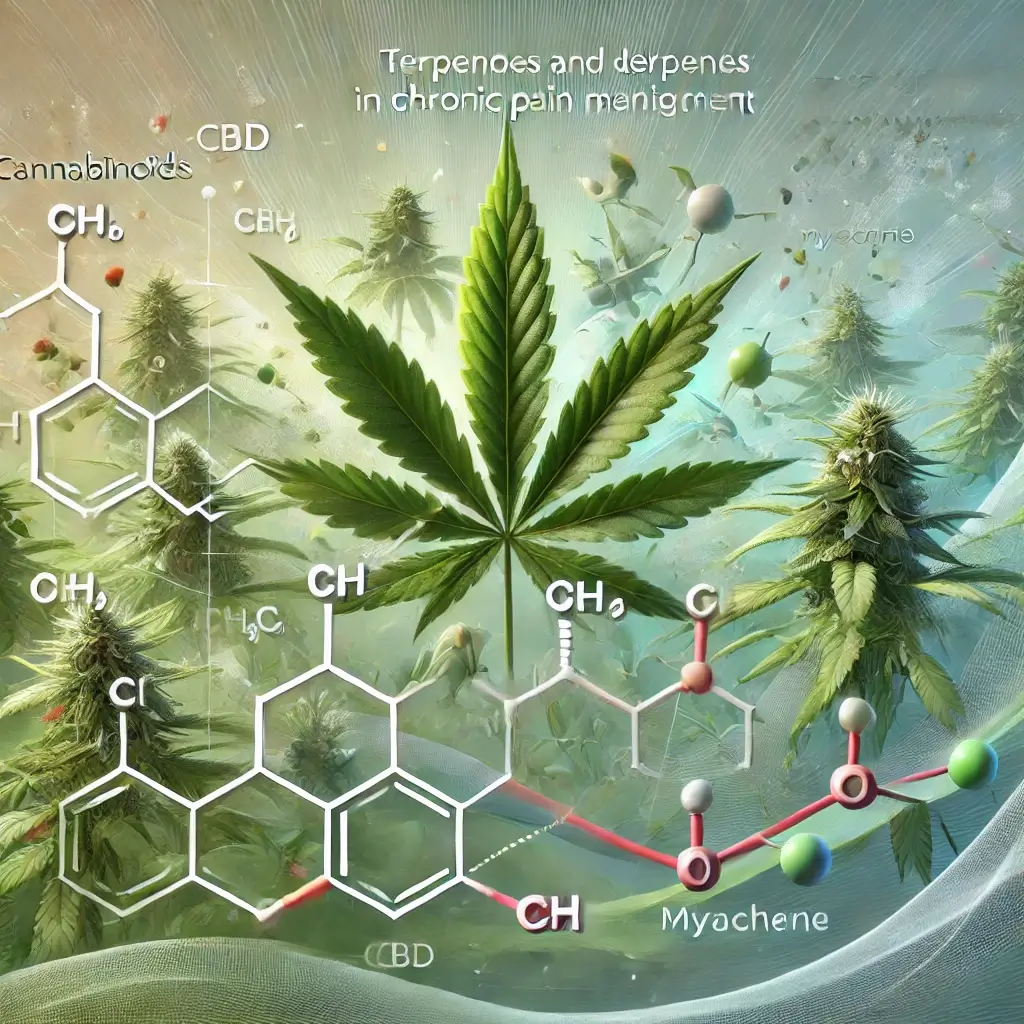
Enter cannabis—a plant renowned for its diverse array of therapeutic compounds. Cannabinoids like cannabidiol (CBD) are widely studied for their neuroprotective and anti-inflammatory properties. However, a growing body of evidence suggests that cannabinoids achieve their full potential when combined with terpenes, the aromatic compounds found in cannabis and other plants. This synergistic relationship, known as the entourage effect in cannabinoid therapy, has emerged as a key mechanism in the neuroprotective power of cannabinoid-terpenoid therapy.
Article Purpose and Scope
This article explores the cutting-edge science behind this therapy, focusing on its mechanisms of action, practical applications, and the promise it holds for preventing and treating neurodegenerative conditions.
Understanding the Core Mechanisms
At the heart of cannabinoid-terpenoid therapy is the ability to target multiple pathways involved in neurological health. This multidimensional approach to neurodegeneration is what makes it particularly effective in combating neurodegeneration.
Key Research Findings on Alpha-pinene
A pivotal study published in Neuropharmacology by Martinez et al. (2024) demonstrated the profound impact of alpha-pinene when paired with CBD. Alpha-pinene, a terpene found in pine needles, rosemary, and basil, significantly enhances the production of brain-derived neurotrophic factor. In their study, this combination increased BDNF levels by 75%, highlighting its potential to improve neuroplasticity and support neural repair. This is particularly critical in conditions like Alzheimer’s, where neural pathways deteriorate over time.
Beta-caryophyllene Research Insights
Beta-caryophyllene, a terpene found in black pepper, cloves, and cannabis, has shown remarkable anti-inflammatory properties. Research in Frontiers in Neuroscience by Williams and Thompson (2023) revealed that when combined with CBD, beta-caryophyllene reduces markers of neuroinflammation in multiple sclerosis by up to 60%. Chronic inflammation is a driving factor in diseases such as Parkinson’s and multiple sclerosis, making this combination a cornerstone of neuroprotective therapy.
Antioxidant Properties and Neuroprotection
These mechanisms are complemented by the antioxidant properties of cannabinoids and terpenes, which help mitigate oxidative stress—a key contributor to neural damage. Lee et al. (2024) highlighted the ability of these compounds to reduce oxidative damage in diabetic neuropathy, providing an additional layer of protection against conditions like diabetic neuropathy and chemotherapy-induced neuropathy.
Practical Treatment Applications
The practical applications of cannabinoid-terpenoid therapy extend across a wide spectrum of neurological conditions. Clinicians are now tailoring treatment regimens for neurological recovery to maximize the synergy between cannabinoids and terpenes.
Treatment Protocols and Timing
Morning regimens: Alpha-pinene and CBD are often combined to promote cognitive clarity and alertness, ideal for patients managing early-stage Alzheimer’s or recovering from brain injuries. Evening regimens: Calming terpenes like linalool, paired with CBD, help patients manage stress and support restful sleep, which is critical for neural recovery. Preventive protocols: Regular administration of neuroprotective combinations for cognitive decline is being explored for individuals at high risk of developing neurodegenerative diseases.
Future Research Directions
Emerging research is also uncovering new applications for these therapies. Post-stroke rehabilitation with cannabinoid therapy is one promising area, as the enhanced neuroplasticity provided by cannabinoid-terpenoid combinations can accelerate recovery. Similarly, these therapies are being investigated as preventive measures for age-related cognitive decline, with early results showing improved memory retention and reduced oxidative stress.
Delivery System Innovations
Innovations in delivery systems are enhancing the accessibility and efficacy of cannabinoid-terpenoid treatments. For example, nanoemulsion technology for cannabinoid absorption ensures that these compounds are absorbed efficiently by the body, allowing for lower doses and reduced side effects.
Summary and Future Outlook
Cannabinoid-terpenoid therapy represents a paradigm shift in the management of neurological disorders. By leveraging the synergistic effects of natural compounds, this approach not only alleviates symptoms but also addresses the underlying causes of neurodegeneration. Studies such as those by Martinez et al. (2024), Williams and Thompson (2023), and Lee et al. (2024) underscore the immense potential of this therapy to transform patient care.
Final Thoughts
As the field of cannabis research continues to expand, the integration of cannabinoid-terpenoid therapy in medical practice appears increasingly inevitable. With its ability to enhance neuroplasticity, reduce inflammation, and mitigate oxidative stress, this innovative treatment holds the promise of a brighter future for millions of patients worldwide.
References
Martinez, J.L., et al. (2024). “Pinene-CBD Interactions in Neuroplasticity.” Neuropharmacology, 192, 108-123.
Williams, R.D., & Thompson, K.L. (2023). “Cannabinoid-Terpene Combinations in Neurodegeneration.” Frontiers in Neuroscience, 16, 789432.
Lee, S.H., et al. (2024). “BDNF Production Enhancement via Cannabis Compounds.” Journal of Neuroinflammation, 20(1), 45-59.