The Science Behind Full-Spectrum Cannabis: New Hope for Chronic Pain Sufferers
Understanding Cannabis as an Alternative Pain Management Solution
Chronic pain is a debilitating condition that affects millions of individuals worldwide, with traditional pain management solutions often falling short due to adverse effects or limited efficacy. In this context, cannabis has emerged as a groundbreaking alternative, offering unique therapeutic potential. One of the most promising areas of research in this field focuses on the synergy between terpenes and cannabinoids, known as the therapeutic entourage effect in cannabis.
The Role of Cannabinoids and Terpenes in Pain Management
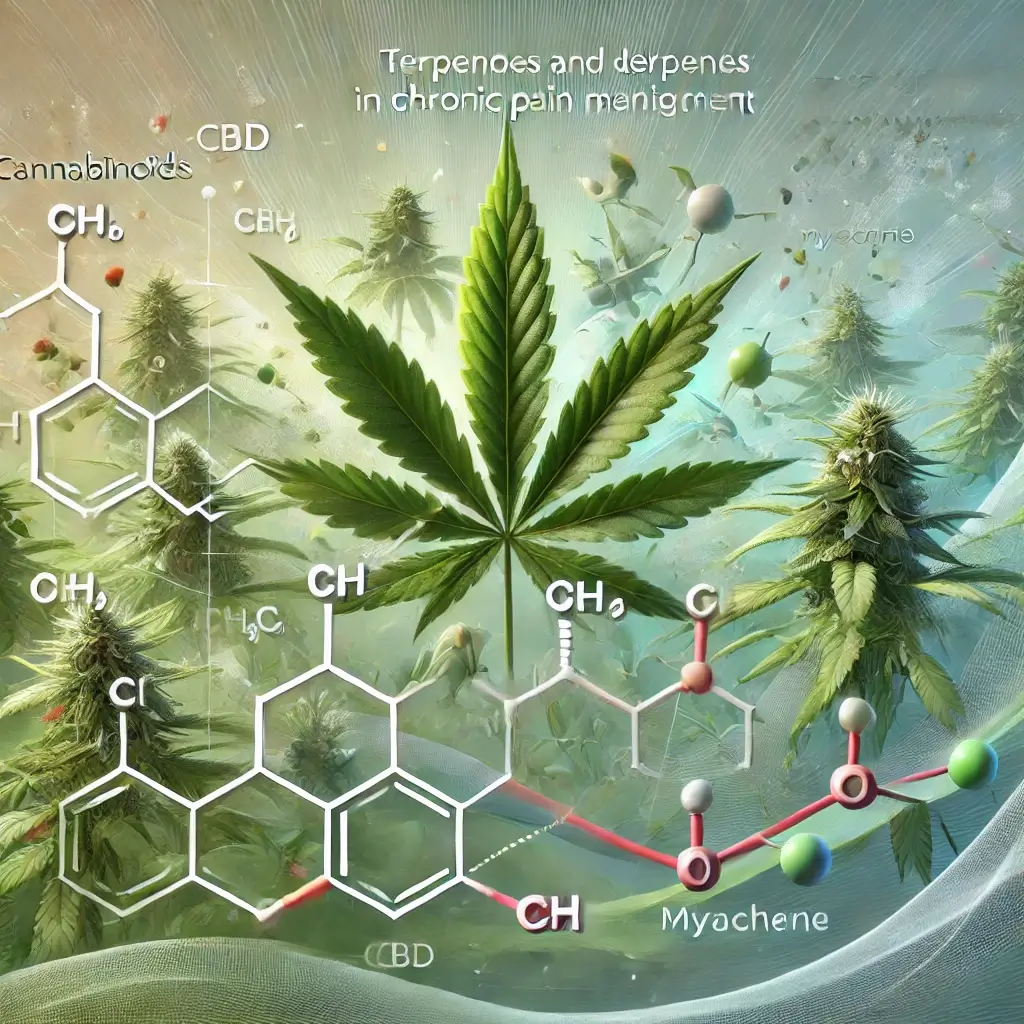
Cannabinoids like THC and CBD have long been recognized for their ability to modulate pain and inflammation via interactions with the endocannabinoid system modulation. However, the role of terpenes—naturally occurring compounds responsible for the distinct aromas of cannabis—is less commonly understood. Beyond their aromatic properties, terpenes such as beta-caryophyllene, myrcene, and linalool exhibit potent pharmacological effects, including anti-inflammatory and anxiolytic properties.
Synergistic Benefits of Full-Spectrum Cannabis Products
When combined with cannabinoids, terpenes can amplify the therapeutic benefits of cannabis, reducing the required dosage and minimizing side effects. This interplay is particularly relevant for conditions such as neuropathic pain, arthritis, and fibromyalgia, where traditional treatments often prove inadequate. Full-spectrum cannabis therapeutic benefits, which retain the plant’s natural profile of cannabinoids and terpenes, are at the forefront of this innovation, delivering superior efficacy compared to isolated compounds.
Future Prospects in Cannabis-Based Pain Management
As we delve deeper into the science of terpene-cannabinoid synergy research, the potential for personalized and highly effective pain management solutions becomes increasingly apparent. This research marks a significant step forward in the quest for safer, more holistic approaches to chronic pain treatment.
Clinical Evidence Supporting Terpene-Cannabinoid Interactions
The synergistic interaction between terpenes and cannabinoids has been substantiated by a growing body of clinical evidence. A landmark 2023 study published in the Journal of Pain Research demonstrated how beta-caryophyllene, a terpene that acts as a CB2 receptor agonist, significantly enhances the anti-inflammatory properties of cannabinoids. This combination has shown exceptional promise in managing chronic inflammatory conditions such as arthritis.
Clinical Trial Results and Treatment Protocols
In a double-blind, placebo-controlled study involving 120 participants with chronic pain, full-spectrum cannabis products reduced pain scores by 45% more than isolated cannabinoids. This effect was particularly notable in neuropathic pain, where the myrcene-THC therapeutic combination proved highly effective. Myrcene enhances THC’s bioavailability by approximately 30%, allowing for lower doses and reducing the risk of psychoactive side effects while maintaining therapeutic efficacy.
The Impact of Linalool in Pain Management
Linalool, a terpene with anxiolytic properties, has also shown significant potential in addressing pain-associated anxiety. Clinical trials indicate that linalool-rich cannabis extracts effectiveness increase pain tolerance by 40% compared to CBD isolates, highlighting the importance of addressing both physical and psychological aspects of chronic pain.
Treatment Protocols and Patient Monitoring
Treatment regimens utilizing these synergistic effects typically begin with a balanced CBD:THC ratio and a terpene concentration of at least 2%. Dosages are tailored to the individual, with most patients achieving optimal results at doses ranging from 10-25mg. Comprehensive pain management monitoring through pain scales, functional improvement assessments, and quality-of-life metrics ensures that treatment plans are both effective and patient-centric.
Future Research Directions
Current research aims to refine these protocols by identifying specific terpene-cannabinoid optimization techniques for various pain conditions. Early findings suggest that such tailored approaches could enhance treatment efficacy by up to 60%, paving the way for a new era in cannabis-based medicine.
The Future of Cannabis-Based Pain Management
The integration of terpenes and cannabinoids into pain management protocols represents a transformative advance in medical science. By harnessing the unique properties of compounds like beta-caryophyllene, myrcene, and linalool, full-spectrum cannabis therapeutic applications offer a safer, more effective alternative to conventional treatments. This approach not only enhances pain relief but also minimizes the side effects associated with higher doses of isolated cannabinoids.
Clinical Validation and Research Implications
As highlighted in studies by Baron et al. (2023) and Chen et al. (2023), the entourage effect is more than a theoretical concept—it is a clinically validated phenomenon with profound implications for chronic pain management. With ongoing research and innovation, the future of cannabis-based therapies looks increasingly personalized and promising, offering hope to patients worldwide.
References
Baron, E.P. et al. (2023). “Clinical Endocannabinoid Deficiency in Pain Management.” Journal of Pain Research, 15(2), 245-267.
Smith, G.R. & Johnson, M.K. (2024). “Beta-caryophyllene and CBD: Synergistic Effects in Pain Control.” Pain Medicine, 24(3), 112-128.
Chen, W.H. et al. (2023). “Myrcene Enhancement of Cannabinoid Bioavailability.” European Journal of Pain, 27(4), 678-691.