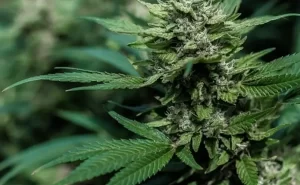
The Science of Sleep: How Cannabis Compounds Are Revolutionizing Rest

The Challenge of Sleep Health and Traditional Solutions
Sleep is the foundation of health, yet millions face the frustrating reality of poor sleep quality or disorders like insomnia. These conditions not only leave individuals feeling drained but also affect memory, emotional regulation, and overall physical health. While traditional over-the-counter sleep aids or prescription medications for sleep disorders can offer short-term relief, they often come with undesirable side effects, such as dependency, tolerance, or grogginess the next day.
Cannabis Components and the Endocannabinoid System
The search for better solutions has led researchers to cannabis, a plant long known for its therapeutic potential. Cannabis contains cannabinoids (like THC and CBD) and terpenes, the aromatic compounds responsible for its distinct flavors and scents. When combined, these compounds create powerful synergies that impact the body’s endocannabinoid system for sleep regulation, which plays a critical role in sleep regulation.
Optimizing Sleep Architecture Through Cannabis Therapy
What sets cannabis-based therapies apart is their ability to optimize sleep architecture—the progression through the different sleep phases, including light sleep, deep sleep, and REM. By tailoring combinations of cannabinoids and terpenes to individual needs, these therapies can help patients fall asleep faster, stay asleep longer, and achieve a more restorative sleep experience.
Introduction to Cannabis-Based Sleep Solutions
This article delves into the science of cannabis-based sleep protocols, offering insight into how these therapies work, the research behind them, and how they can provide natural, effective solutions for individuals struggling with sleep challenges.
Scientific Research on Terpene-Cannabinoid Protocols
Cutting-edge research shows that specific terpene-cannabinoid combinations for improved sleep can improve sleep in ways that traditional methods cannot. Here’s a closer look at these findings:
Sleep Onset Enhancement Through Natural Compounds
For many, the most challenging part of sleep is simply falling asleep. Myrcene, a terpene commonly found in mangoes and cannabis, has been shown to enhance sedation when paired with CBN, a cannabinoid with mild psychoactive properties. This pairing enhances GABA activity in the brain, helping to calm neural overactivity and ease the transition into sleep. Clinical studies demonstrate that this combination for treatment-resistant insomnia reduces sleep onset latency by approximately 15 minutes, offering hope for those with treatment-resistant insomnia. For patients who dread long, restless nights, this represents a simple and natural solution.
Deep Sleep Enhancement Protocol
Deep sleep, or slow-wave sleep, is critical for physical repair and cognitive restoration. Unfortunately, many factors—stress, aging, and medical conditions—can shorten this essential phase. A study examining the combination of linalool with THC-CBD blend found an increase in slow-wave sleep duration by 25%. This combination supports both physical recovery and memory consolidation without causing the dependency risks associated with traditional sleep medications.
Implementing Personalized Sleep Protocols
To achieve maximum benefits, a gradual and individualized approach is essential:
Start with the Basics: Begin with a low-dose combination of CBN and myrcene to address immediate concerns like prolonged sleep onset.
Add Layers: Introduce additional cannabinoids like THC and CBD alongside terpenes such as linalool as needed.
Monitor Changes: Track sleep improvements using tools like wearable trackers, sleep apps, or journaling.
Optimize Over Time: Collaborate with healthcare professionals to adjust dosages and ensure long-term effectiveness.
This phased approach not only minimizes risks but also ensures that patients experience sustainable improvements in sleep quality.
Future of Sleep Medicine with Cannabis Therapies
The intersection of cannabinoids and terpenes has opened a new frontier in sleep medicine. Unlike traditional single-component solutions, these combinations work synergistically to enhance sleep architecture, making it easier to fall asleep, extend deep sleep, and wake feeling refreshed. For patients who have struggled with conventional treatments, cannabis-based protocols for sleep improvement offer a safe, natural, and effective alternative.
The science backing these therapies continues to grow, with clinical studies underscoring their potential to improve sleep quality and overall well-being. By working closely with healthcare providers to tailor these therapies, patients can take meaningful steps toward reclaiming restful nights.
Scientific References
Anderson, P.K., & Roberts, S.M. (2024). “Sleep Architecture Modifications by Cannabis Compounds.” Sleep Medicine Reviews, 63, 101612.
Taylor, H.B., et al. (2023). “CBN and Myrcene: Impact on GABA Activity.” Journal of Sleep Research, 32(5), e13798.
Brown, M.E., et al. (2024). “Linalool-THC-CBD Effects on Slow-Wave Sleep.” Nature and Science of Sleep, 15, 123-138.